
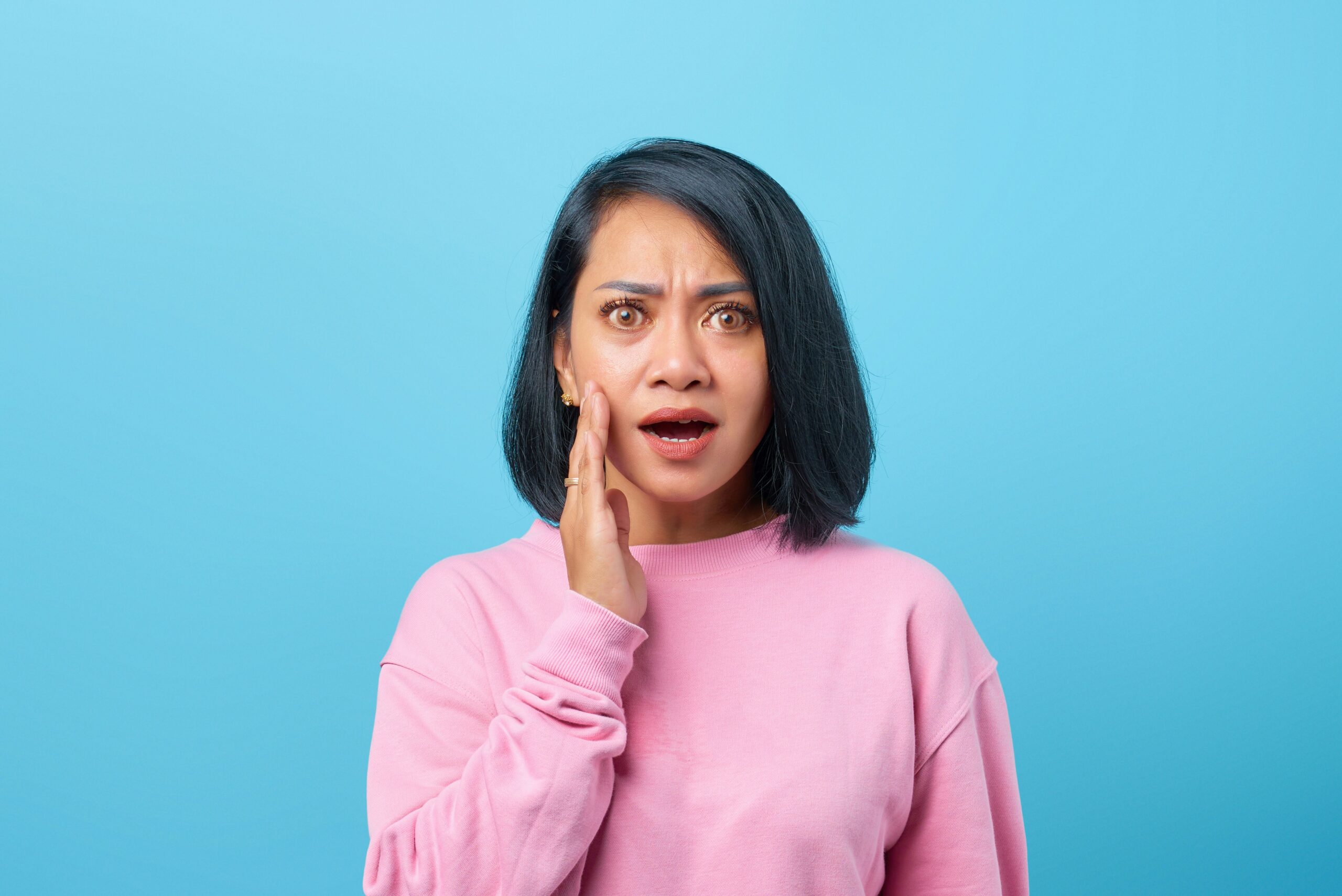
You found a bump, probably in the shower. And you did what everyone does. You panicked quietly, grabbed your phone, and started a Google search you immediately regretted. Every image looked terrifying. Every symptom list felt like it was written about you specifically. Twenty minutes later, you’d diagnosed yourself with four different conditions, and your heart rate hadn’t come down since.
Take a breath. Most bumps in the genital area are pimples, ingrown hairs, or irritated skin. That’s genuinely the most common outcome. But not always. And telling the difference between a clogged pore and something that actually needs medical attention matters because catching an STI early can completely change the treatment timeline. When people search for STD pimples, they’re usually in that exact space between “it’s probably nothing” and “but what if it’s not.” These 20 differences help you figure out which side you’re on.
1. Regular Pimples Look Familiar
Regular pimples look like regular pimples. Whitehead, blackhead, or red bump with a visible center. If the thing on your bikini line looks identical to a breakout you’d get on your jaw after a sweaty day, it’s almost certainly the same thing happening for the same reason. Clogged pore, oil, bacteria. Nothing more.
2. Herpes Does Not Resemble Pimples
Once you learn what to look out for, you’ll realize that herpes does not resemble a pimple. The herpes blisters are small, fluid-filled, and grouped together. Imagine small collections of translucent bubbles that rest on reddened skin. That’s nothing like a red bump with a white center. There is one pimple that is separated from the others. Herpes brings company. If you see a bunch of small acne that have all appeared in the same spot at the same time, it is not acne.
3. Pimples Hurt
Pimples hurt when you poke them. Syphilis sores don’t. That’s what confuses people’s brains. A painless open sore on the genitals is a far greater risk than a painful bump, as primary syphilis is a painless open sore on the genitals. You think: “It’s okay, it doesn’t hurt.” Your mind is mistaken on this one.
4. You Feel a Sensation Before Herpes
There’s a weird tingling that happens before herpes blisters show up. Burning, itching, and a strange sensitivity in one spot. That’s called the prodrome, and it starts a day or two before you see anything. Pimples don’t send advance warning. If the skin fell off before the bump appeared, pay attention to that.
5. Pimples Appear After Friction and Heat
Pimples appear anywhere hair follicles are present, and there’s some rubbing. After shaving. Along the skirts. On a hot August afternoon, where thighs rub together. The context is hugely important. If you notice a bump the following morning after shaving with a dull razor, you are telling yourself a pretty clear story: ingrown hair. The same applies to a new laundry detergent, a different type of underwear, or a long day in a tight sporty outfit. Skin gets irritated. Pores get clogged. Pimples happen.
6. They Appear in Weird Areas
STI lesions show up in places pimples don’t. Inner labia, the shaft, and mucosal surfaces where hair doesn’t grow. A bump in a non-hair-bearing area is worth a closer look because pimples need a follicle. No follicle, no pimple. Something else is going on.
7. Herpes Appears in Areas Where Pimples Do Not
STI lesions appear where pimples do not. Hairless areas, such as inner labia, shaft. Any bump that’s in a place that doesn’t have hair is worth looking into since genital pimples require a hole in the skin. If you don’t have a follicle, then you don’t have a pimple. It’s not what it seems.
8. Herpes Do Not Clear Up as Quickly as Pimples
A pimple clears up in about a week. Same lifecycle as a pimple on your forehead. Forms, peaks, resolves. If something’s been sitting there for two or three weeks without changing, or it’s getting bigger instead of smaller, that timeline alone is a reason to see someone.
9. Herpes Cannot Be Treated at Home
It is impossible to make a definite diagnosis of this condition at home. Sometimes doctors cannot tell, even from a person’s appearance. Some of the bumps require a swab, a blood test, or a visual examination under proper lighting by someone who has seen thousands of these. Take a test if in any doubt. STI testing is readily available, inexpensive, and covered by most insurance plans at clinics across the country. A 10-minute consultation is the only thing that can provide the answer your phone won’t:
Most Bumps Are Nothing. But “Most” Isn’t “All.”
This is the tension in which you’re now sitting, and it’s not pleasant. You are indeed in a good position. Ingrown hairs, friction or shaving skin irritation, and folliculitis. These are the cause of most of the genital bumps, and they clear up on their own. However, there is a real price to be paid for a wrong guess. Early diagnosis of STIs enables treatment. Many are 100% curable. It is almost always the ones he or she didn’t bother with because he or she thought they were pimples that caused lasting problems. These differences can help quell the initial panic. Then have it examined by a qualified health care provider.
Images by Bangun Stock Production from Unsplash
The editorial staff of Medical News Bulletin had no role in the preparation of this post. The views and opinions expressed in this post are those of the advertiser and do not reflect those of Medical News Bulletin. Medical News Bulletin does not accept liability for any loss or damages caused by the use of any products or services, nor do we endorse any products, services, or links in Sponsored Articles.