
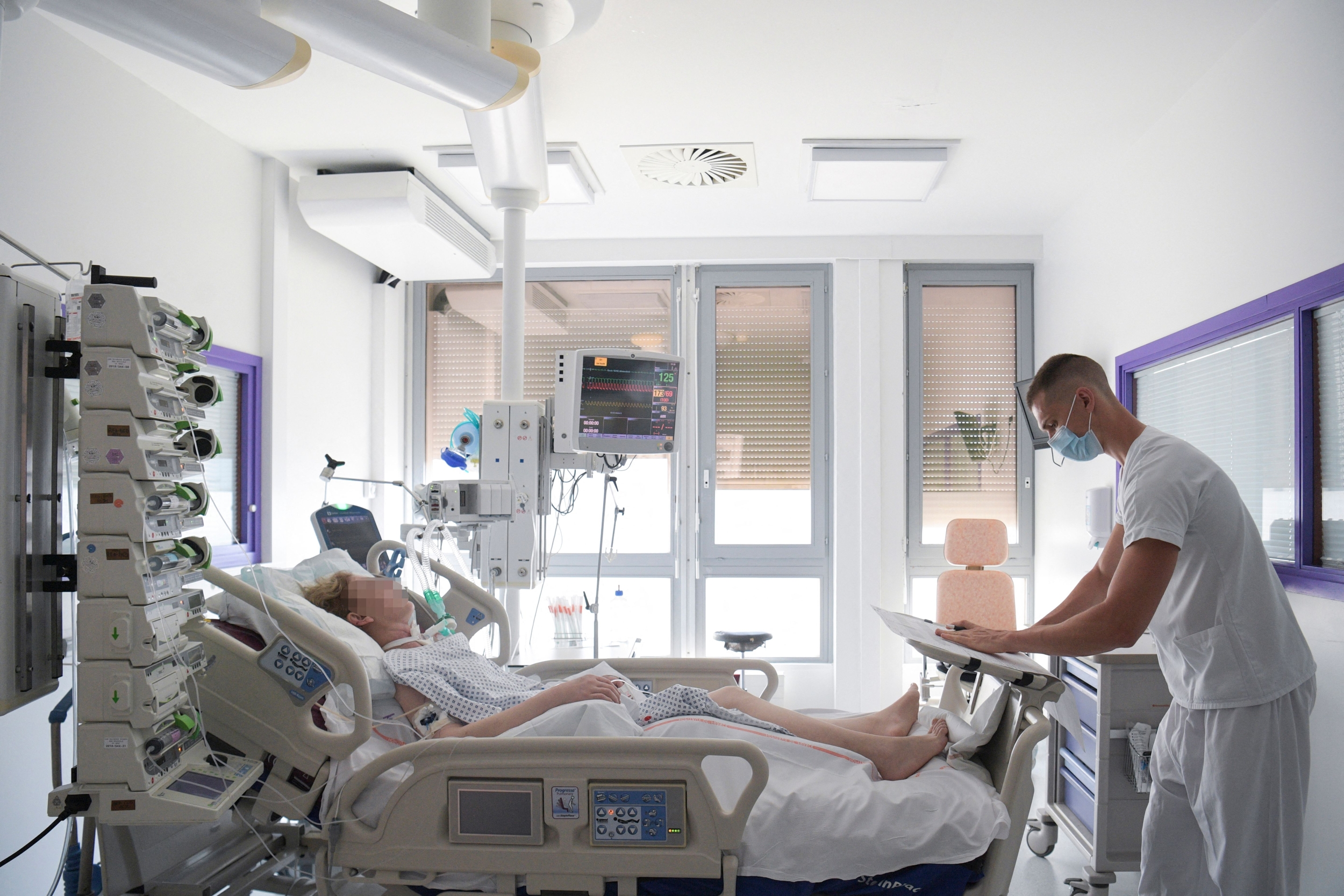
Why This Matters
Nursing is among the fastest-growing and most in-demand professions in the United States. The Labor Department projects 189,000 registered nurse job openings annually for the next decade. Emergency departments are understaffed. Rural hospitals are closing labor and delivery units. The healthcare system is looking everywhere for qualified nurses.
Men make up approximately half the U.S. workforce, but only about 1 in 8 nurses. That gap represents not just an untapped workforce pipeline but a longstanding cultural assumption about nursing as women’s work that has depressed enrollment, discouraged qualified candidates, and narrowed the hiring pool for exactly the kind of work that is most urgently needed.
According to NPR labor and workplace correspondent Andrea Hsu, that ratio is shifting. The male nursing share is growing, driven by a combination of strong job market conditions and deliberate recruitment efforts at nursing schools, particularly in the South.
What We Know So Far
NPR’s July 21, 2026 report focused on the University of Alabama at Birmingham School of Nursing, which has been among the institutions actively recruiting men into nursing. The UAB program has deployed direct outreach, male peer mentorship, and reframing of nursing as a high-skill, well-compensated healthcare leadership career rather than a gendered support role.
Male nursing students interviewed for the NPR report described finding the work through pathways including athletic training, pharmacy interest, and military healthcare service, routes that have historically channeled men away from nursing rather than toward it.
The data point at the center of the report, approximately 1 in 8 registered nurses is now male, reflects a long-term upward trend from roughly 1 in 40 male nurses in 1970. The increase has been gradual over decades, but recent years have shown an acceleration, particularly in states where nursing employment growth has been fastest.
Where the Growth Is Most Significant
The NPR report notes that the male nursing share is growing fastest in the South, a region that simultaneously has:
- Some of the nation’s most severe nursing shortage conditions, particularly in rural areas
- The highest rates of rural hospital closure and labor and delivery unit closures, as documented by the Center for Healthcare Quality and Payment Reform
- Large unmet demand for primary care and emergency nursing staff, particularly in states including Alabama, Mississippi, Georgia, and the Carolinas
- Among the highest rates of uninsured and underinsured populations, whose primary care needs fall disproportionately on nursing staff at federally qualified health centers and community clinics
The UAB School of Nursing’s enrollment pattern mirrors a broader demographic shift: as healthcare jobs have become among the most stable, well-paying, and benefits-rich employment in the post-pandemic labor market, more men are reconsidering career paths that historically carried a gender stigma in their social and professional communities.
What Doctors and Experts Say
The nursing profession’s gender composition affects more than workforce numbers. Research on patient experience and care outcomes has found that patients benefit from a nursing workforce that reflects the demographic diversity of the population they serve, including gender diversity. Male patients in particular may be more comfortable discussing certain health concerns with male nurses. Men navigating chronic disease management, mental health issues, and preventive care are among the populations where male nurse-patient concordance may reduce barriers to disclosure.
Nursing faculty and administrators quoted in the NPR report emphasized that the core skills of nursing, including clinical judgment, interpersonal communication, attention to detail, and ability to act effectively under pressure, have no gender component. The barriers have been cultural and representational, not competency-based.
The Labor Department’s projection of 189,000 annual nursing job openings over the next decade reflects both retirements from an aging nursing workforce and growth in demand driven by an aging patient population. Those openings cannot be filled by any single demographic pipeline. Expanding the male nursing workforce is one necessary component of closing the gap.
What the Evidence Shows and What It Does Not
The 1-in-8 male nurse figure comes from workforce data reflecting the current registered nursing population. The NPR report does not provide a specific source for the exact figure beyond the framing in the headline and story; it is consistent with Bureau of Labor Statistics occupational workforce data showing male nurses at approximately 12-14% of the total registered nurse workforce in recent years.
The claim that male nursing growth is happening “fastest in the South” is supported by the NPR reporting’s geographic focus on UAB and Southern nursing programs, but the NPR piece does not present state-by-state enrollment data. This is a directional claim supported by reported patterns, not a formally quantified regional ranking.
MedicalDaily Evidence Check
- Source: NPR, published July 21, 2026 (Andrea Hsu, labor and workplace correspondent); Labor Department occupational projections
- What it shows: Approximately 1 in 8 registered nurses is male; the share is growing, with notable growth at Southern nursing programs; 189,000 annual RN job openings projected for next decade
- What it does not prove: Specific state-by-state male enrollment rankings; whether the gender shift is driven by recruitment programs specifically vs. labor market forces generally
- What readers should know: The nursing profession is actively seeking male applicants; the South’s nursing shortage means this growth is happening in the region where it is most needed
Who Benefits Most?
The workforce development implications of growing male nursing representation include:
- Rural Southern communities, which have the highest unmet nursing demand and are seeing the fastest male nursing enrollment growth
- Patients who prefer concordance-based care in specific clinical contexts, including men with mental health concerns, chronic disease, or situations requiring physical privacy during examination
- The nursing profession itself, which benefits from a broader and more diverse recruitment pool as it faces sustained demographic attrition from retirement of the baby-boom nursing generation
What You Can Do Now
For people considering nursing as a career:
For healthcare employers and policymakers:
- Hospitals and health systems seeking to address nursing shortages can partner with regional nursing schools on recruitment pipeline programs that actively reach men in high school and early college years.
- State-level workforce development funding through Title VIII nursing programs can support expanded nursing school capacity, particularly in shortage areas.
Cost and Access: What Patients Should Know
The nursing workforce shortage has direct effects on patient care: longer emergency department wait times, reduced availability of home health nursing, and reduced capacity for preventive and chronic disease management in underserved communities. Expanding the diversity and size of the nursing pipeline is a patient safety issue, not just a labor market issue.
What Happens Next
UAB and other Southern nursing programs with active male recruitment initiatives are expected to report enrollment trends annually. The Labor Department will update its occupational projections with 2025 and 2026 data in the coming years. Whether the male nursing share reaches 1 in 5 or higher within a decade will depend on whether the cultural shift documented in the NPR report extends beyond leading institutions and translates into broad enrollment patterns at community colleges and ADN programs that produce the largest total volume of nurses.
The Bottom Line
Approximately 1 in 8 U.S. registered nurses is now male, a share that is growing and growing fastest in the South, where nursing shortages are most acute. A strong job market, deliberate recruitment by nursing schools, and a gradual cultural shift in how nursing is understood as a profession are driving the change. With 189,000 RN job openings projected annually for the next decade, and with rural hospitals and clinics in the South facing the deepest shortfalls, the growth of male nursing in the region that needs nurses most is a workforce development trend worth watching.

