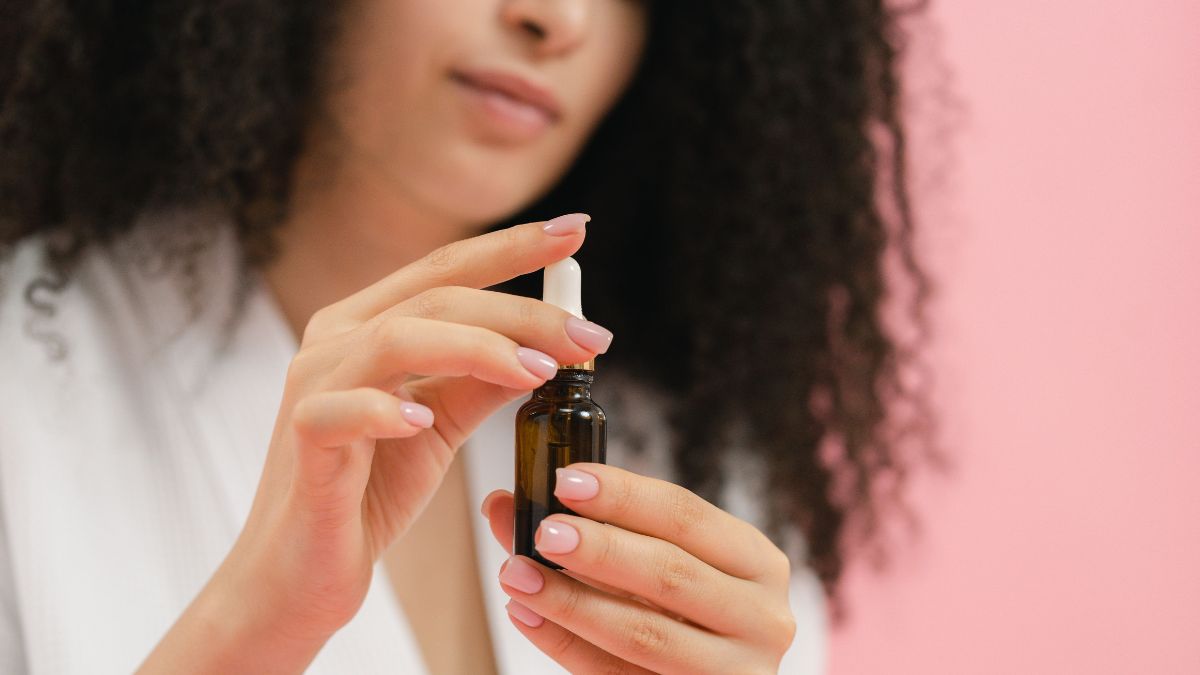

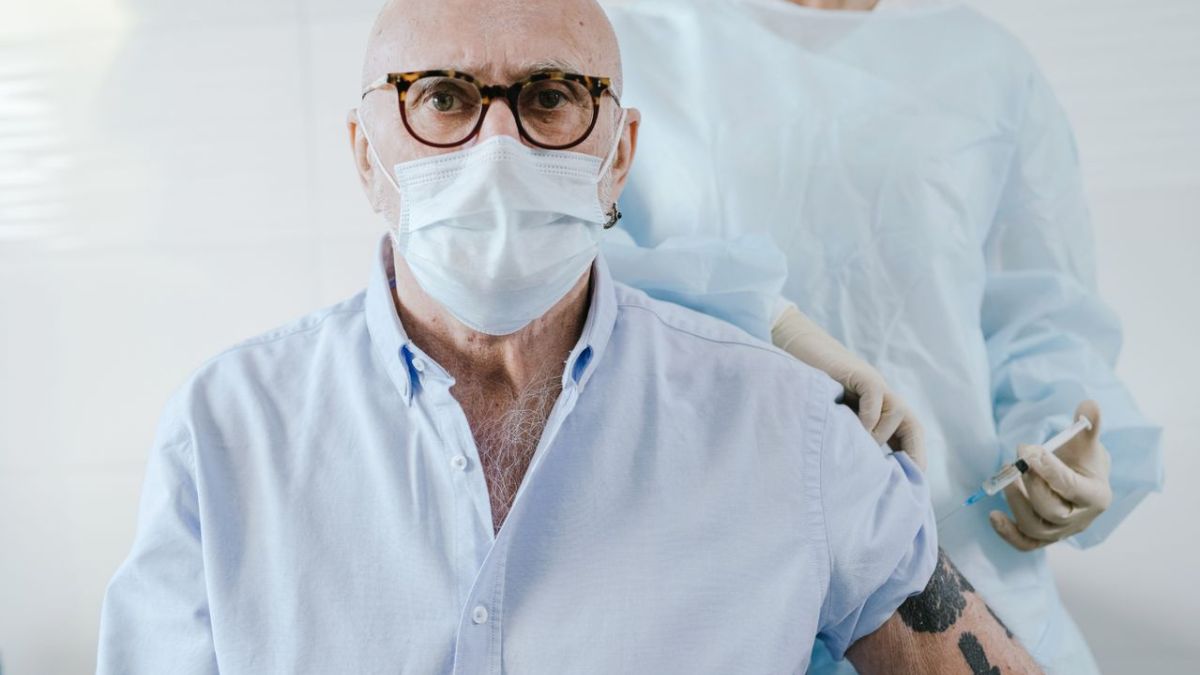
Scientists say that adding a daily dose of spermidine can boost immune function in older adults. The team of immunologists and gerontologists reported that, in a placebo-controlled randomized trial, seniors who sipped a spermidine supplement kicked their adaptive immune system back into gear.
In this phase 1 pilot study, pensioners who took 6 mg of spermidine after getting a COVID booster revved up their immune response. Blood tests showed they made more antibodies against the COVID virus and were able to neutralize multiple variants of the virus. What’s more, some of them showed signs that their immune cells were more active and healthier than elders in the control group, with biomarkers associated with age trending down. This was especially remarkable because it allowed them to identify a set of markers that might help doctors to spot patients who might not benefit from shots without additional care.
Ageing and Immunity
Researchers led by Dr Katja Simon, Group Leader of the Cell Biology of Immunity lab at the Max Delbrück Center, and Dr Ghada Alsaleh, Associate Professor at the University of Oxford, UK, say that the results of their pilot study show that it’s worth looking closer at spermidine to get tired immune cells back in the game.
‘Many older adults respond well to vaccines,’ Alsaleh explains. ‘But some do not develop strong protection, even after repeated vaccination. Biological ageing of immune cells may be one reason why this happens. Our findings suggest that spermidine could help restore aspects of immune function in this group.’
As we age, our stem cells do too. After decades of self-duplications and tiny errors in our DNA creep in and the ends of our chromosomes, the telomeres slowly wear down. At a certain point, the cells are worn out and go into a state called senescence. These cells are alive, but they are no longer able to do their old job. In our younger years, our body can keep up with the maintenance on our DNA using specialized molecular tools but eventually they run out of steam. Senescence is one of the reasons that as we age, our bodies get less good at repairing themselves.
Immunologists have discovered that the memory cells in our spleen, lymph nodes and bone marrow that make antibody-producing B cells and T cells also slow down and enter senescence. Over time we lose our ability to make antibody-producing cells and as a consequence, vaccines don’t work as well any more. Simon and Alsaleh are on the search for substances that might help memory cells, and the stem cells that make them, hold on for a while longer. This, they hope, would, in turn, improve vaccine efficacy in older adults.
Is spermidine the answer to immunosenescence?
Spermidine is a natural chemical found in plants, animals and fungi. It’s a vital building block of the cellular machinery involved in protecting DNA from damage, making proteins and helping cells to divide. As we get older, like many important molecules, our bodies get less good at making it themselves.
The good news is that we can eat it. Foods like hard cheese, mushrooms, soy beans and wheat germ are great sources of spermidine and it’s easy to purify and turn into supplements on the supermarket shelf. The researchers hypothesized that this readily available supplement could give ageing immune cells the boost they need to stay out of senescence.
In the past, scientists have reported that spermidine helps with autophagy, the process cells use to clear out and recycle old, damaged parts, including mitochondria. The chemical can also supercharge a cell’s ability to make complicated mitochondrial proteins to replace the recycled ones. Both of these qualities make spermidine an intriguing candidate, and wouldn’t you know it? Simon and Alsaleh have already found that feeding mice spermidine boosted antibody cell production.
They speculate that boosting our immune cells’ ability to recycle faulty cell parts could stave off senescence. Would this effect hold true in humans? Could spermidine be an easy way to recharge our immune system? Alsaleh and Simon reported earlier this year in the scientific journal Ageing Cell that spermidine might live to the hype.
Spermidine Versus the Gold Standard Test
As with all medical interventions, the simplest most effective way to see if something works is a randomized controlled trial. The Max Delbrück and Oxford researchers designed an experiment to see whether spermidine would help seniors release the brake on their antibody-producing cells.
One of the problems with a lot of claims about supplements is that the evidence to support them is weak. What do we mean by weak? Well, not just that the effects are small, but more often that the experiments are designed in a way that doesn’t answer the question or is too flawed to believe the conclusions. Alsaleh and Simon were careful to make sure that this trial was preregistered, used appropriate controls, enough participants and avoided bias in data collection and interpretation.
The team recruited 40 adults aged between 65 and 90 years old. The volunteers had previously had at least three COVID shots. The trial coordinators only invited patients in good health who did not have COVID-19 and were not using any kind of medication to suppress their immune system. They also excluded prospective participants with medical conditions that alter immune responses or diabetes, people who were getting blood products including immunoglobulins, and people who had already been taking spermidine supplements.
They would divide the volunteers into two groups randomly. Only a third party would know who was in which group. Neither the volunteers nor the investigators would know until the very end of the analysis which participants got spermidine, and which got an identical placebo.
This randomization and double blinding helped the researchers to minimize the chances that the placebo effect could creep in or that researcher optimism could creep into data collection and analysis.
Putting spermidine and immune function under the microscope
The researchers had three questions to answer with this trial. Firstly, is it safe for seniors to take spermidine every day after getting a COVID shot? Secondly, does spermidine affect levels of antibodies against the SARS-CoV-2 virus after a COVID shot? Thirdly, how long would any effects of spermidine last?
In the experimental group, twenty volunteers started a course of spermidine, 6 mg each day, eight weeks after getting their COVID booster. Participants drank spermidine power dissolved in water. The control group were treated identically, except instead of spermidine powder, they would get powdered sugar dissolved in water. None of the participants knew if they took spermidine or sugar water and none of the medical staff or data collectors knew either. After 24 weeks the volunteers would stop using spermidine but the trial would continue until 37 weeks.
The investigators collected blood samples from each volunteer, before the first supplement dose, after two weeks, then five weeks, thirteen weeks and 37 weeks. At each of these follow-ups, the researchers compiled information about potential adverse events, antibody titres and biomarkers associated with senescence, autophagy and spermidine activity.
Spermidine Safety
The participants who completed the trial were aged between 66 years and 81, the median age was 71. In the spermidine group, there were 13 women and seven men and the placebo controls were equally split at nine men and nine women. All participants self-identified as white British and their mean BMI was 27 in the placebo group and 24 in the spermidine group.
None of the participants had COVID-19 at the start of the trial. By week 37, only three members of the placebo group had contracted COVID-19 vs six in the spermidine group.
The first outcome the researchers investigated was safety. They found that volunteers who took spermidine did not suffer any ill effects. The team collected blood samples and ran standard blood tests for things like haemoglobin, kidney function, lipids, and metabolic markers in week two. They report no significant differences in test results between the two groups. If anything had changed in the two weeks, it was likely not due to spermidine.
What’s up with COVID-19 vaccine non-responders?
Next they looked to see whether spermidine seniors had a better immune response to COVID-19 than their placebo partners. This part of the trial is where things start to get complicated. Remember how Alsaleh told us that some older people don’t respond to vaccines but many do? That is a sticking point. The non-responders are the population that the researchers needed to examine to see whether spermidine would help get their immune systems going again.
The team defined a vaccine non-responder as somebody who had no IgG antibodies against the COVID spike protein targeted by the vaccine eight weeks after a COVID shot.
After looking at the starting point blood test results, the researchers discovered that participants in the trial were a mix of vaccine responders and non-responders. Ten out of 40 volunteers showed no IgG response.
The problem is that they did not find out who was a non-responder until after randomization. In the placebo group, there were only two non-responders; in the spermidine, there were six. This means that it would be hard to see statistically significant differences between the two groups. On the other hand, this was a pilot study, to see if anything happens at all, so we can give them the benefit of the doubt. The researchers realized they would have to compare week to week antibody changes in responders and non-responders as well as between the placebo and spermidine groups to figure out what was going on.
Spermidine Helped COVID Vaccine Non-Responders
After two weeks of spermidine, the twelve people who responded to the vaccine had similar antibody COVID antibody levels to when they started. At week zero they had an average IgG titre of 18,011, vs 16,240.5 after two weeks. In contrast the eight non-responders who started at an average IgG titre of 377 shot up to an average of 28,331.02 after two weeks of spermidine. These high titre levels stuck around and were still measurable at the 37-week mark – three months after they stopped taking spermidine supplements.
When the team compared these results to the placebo group, they said that the starting point was an average spike protein IgG titre of around 10,000. After two weeks they didn’t see any notable changes, nor at 12 weeks or 37.
The researchers concluded that non-responders improved their post vaccine antibody titres if they used spermidine. They could not draw conclusions about the size of the effect because the small number of participants skewed the results.
Variant Blockers
They also looked at neutralizing antibodies. After two weeks of spermidine, a few people showed a big increase in the number of antibodies that could bind different COVID variants. This was inly true in the spermidine group. The placebo group showed pretty small increases. When the team looked closer, they found that the biggest increases in neutralizing antibody levels took place in the spermidine vaccine non-responders. Again, the small number of participants might make the differences look bigger or smaller than they really would be.
Next they checked whether spermidine also boosted B cells. B cells are the white blood cells that patrol around your body, making antibodies after your immune system detects a pathogen.
The baseline response of non-responders was close to zero. After two weeks of spermidine, the number of B cells secreting anti COVID IgGs more than doubled, whereas in vaccine responders and the placebo group it didn’t change in any significant way.
Spermidine ‘rejuvenates’ immune cells
Now that the researchers were pretty confident that spermidine supplements were indeed boosting the immune response to the vaccine in non-responders, they needed to figure out why.
They started out by checking for markers of cell senescence. At the initiation of the trial, vaccine non-responders had higher levels of protein and gene expression markers associated with cell senescence in their blood compared to the responders. Starting as early as two weeks after starting daily spermidine supplements, non-responders saw statistically significant drops in senescence markers pS6, p16, and γ-H2AX. The placebo group and vaccine responders, however, showed no increase or decrease.
The reduction in senescence markers stuck around for at least thirteen weeks and even three months after stopping spermidine, the levels were lower than at the start of the trial.
When the scientists checked whether B cells specifically were affected by spermidine, they found something interesting. Comparing the gene expression in B cells from a non-responder at the start of the trial to two weeks into the spermidine course revealed more B cells were using their autophagy program. More were responding to inflammation and duplicating themselves, while fewer were displaying the senescence signature.
Does Spermidine Help Our Immune System?
The final test was to find out: are the non-responders using the spermidine? Luckily, the researchers have a handy way to tell how much spermidine cells are using. Firstly they can use protein detection techniques to figure out how much spermidine cells contain. They took cells from a vaccine non-responder and a vaccine responder, broke them open and used special labels to visualize how much spermidine was in each sample. The non-responders had less spermidine in their cells.
Next, they needed to check whether the participants’ bodies were using spermidine from supplement. Cells need spermidine to modify a protein called elF5A1. In cells that have plenty of usable spermidine, there are high levels of modified eiF5A1. When cells don’t have enough spermidine to support normal cellular processes, levels of eiF5A1 drop. The researchers discovered that, on the first day of the trial, the vaccine non-responders had very low levels of both intracellular spermidine and modified eiF5A1. By the second week of the trial, the non-responders who got spermidine look like they might have increased their modified eiF5A1 and had more spermidine in their cells.
Spermidine and vaccine response
Overall, the researchers say that it looks like spermidine can trigger genes that help cells to stay ‘biologically young’.
People with an ‘older’ immune system respond less well to vaccines. This, the researchers speculate, is because more of their immune cells are entering a senescent state and have lost the ability to make antibodies. These people also have low spermidine making capabilities, and are less efficient at using autophagy to recycle old mitochondria and remove faulty proteins.
Is the lack of spermidine responsible for immunosenescence? This project can’t tell us, but what they can say is that adding spermidine seems to turn back time.
When the researchers gave vaccine non-responder spermidine supplements, after a few weeks they saw evidence of an increase in spermidine use by cells. Not only were the cells now able to use spermidine, they also saw that more B cells than before were making antibodies against the vaccine and those cells were less likely to show signs of senescence.
The next step is a phase 2 clinical trial. The researchers need to try this experiment on more non-responders before they make any grand claims, but what they have is certainly intriguing.
Says Dr Simon, ‘This study was designed as a pilot trial and involved a relatively small number of participants,… Larger studies will be needed to determine whether spermidine can consistently improve vaccine responses and whether similar effects are seen with other vaccines, such as those used against seasonal influenza.’
Sources
Alsaleh G, Ali M, Kayvanjoo AH, et al. Spermidine Mitigates Immune Cell Senescence and Boosts Vaccine Responses in Healthy Older Adults—A Pilot Study. Aging Cell. 2026;25(6):e70545. doi:10.1111/acel.70545
Natural compound may help boost vaccine responses. EurekAlert! Accessed June 25, 2026. https://www.eurekalert.org/news-releases/1133555
University of Oxford. Characterisation of the Effects of Spermidine, a Nutrition Supplement, on the Immune Memory Response to Coronavirus Vaccine in Older People. clinicaltrials.gov; 2024. Accessed June 25, 2026. https://clinicaltrials.gov/study/NCT05421546