Prime Minister Mostafa Madbouly inaugurated the upgraded June 30 Corniche in Matrouh governorate on Sunday as part of an inspection tour that also included a visit to the “Treasures of Egypt in Matrouh” exhibition.
During the inauguration, Matrouh Governor Mohamed El-Zamlout briefed Madbouly on the development works, which form part of a broader project to upgrade 100 kilometres of roads across Matrouh city.
The project aims to enhance the city’s infrastructure and road network to accommodate population growth and rising tourism activity across the governorate.
The June 30 Corniche development included widening the road to three traffic lanes in each direction, constructing a new tourist promenade, carrying out landscaping works, installing interlock paving, and adding 570 lighting poles.
The project also involved upgrading traffic signage and redesigning turning points to improve traffic flow and enhance road safety.
As part of the development, 45 cafés and retail outlets were established along the Corniche, while beach areas were expanded through the addition of a new layer of sand along the waterfront.
The upgraded Corniche extends for approximately two kilometres, from the Eastern Port area to El-Bosait. The project was implemented by the Engineering Authority of the Armed Forces in cooperation with Matrouh Governorate.
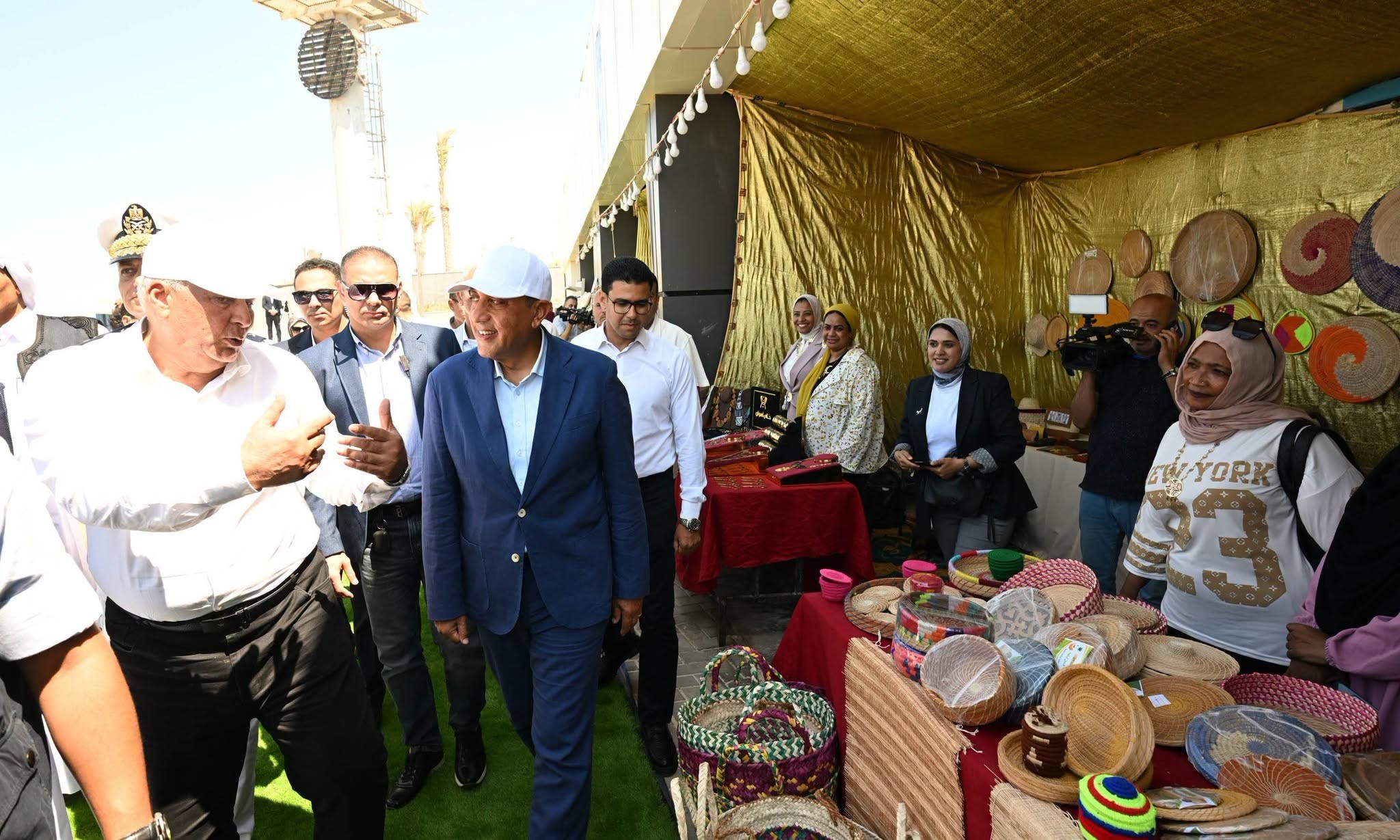
Madbouly also toured the “Treasures of Egypt in Matrouh” exhibition, which is being held along the upgraded Corniche.
According to El-Zamlout, the exhibition features products from 20 governorates across Egypt, in addition to around 22 permanent shops operating along the Corniche.
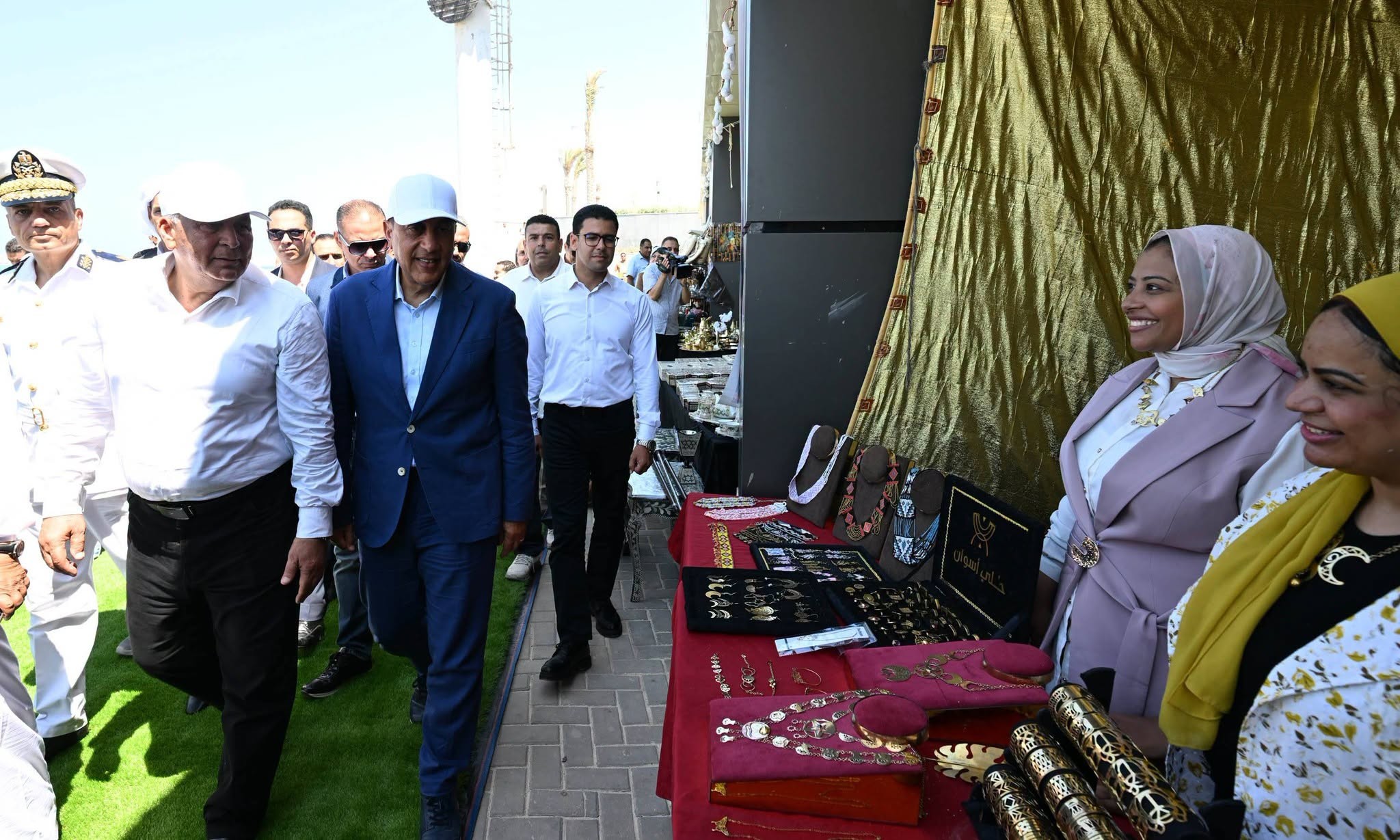
The exhibition showcases a wide range of traditional handicrafts, heritage products, environmental goods, and local food products representing different Egyptian governorates.
During his tour, Madbouly visited the exhibition’s various sections and watched a number of folk art performances.
The prime minister praised the diversity and quality of the products on display, highlighting the exhibition’s role in promoting traditional Egyptian products, supporting small-scale industries, creating employment opportunities, and preserving the country’s rich heritage of traditional crafts.