
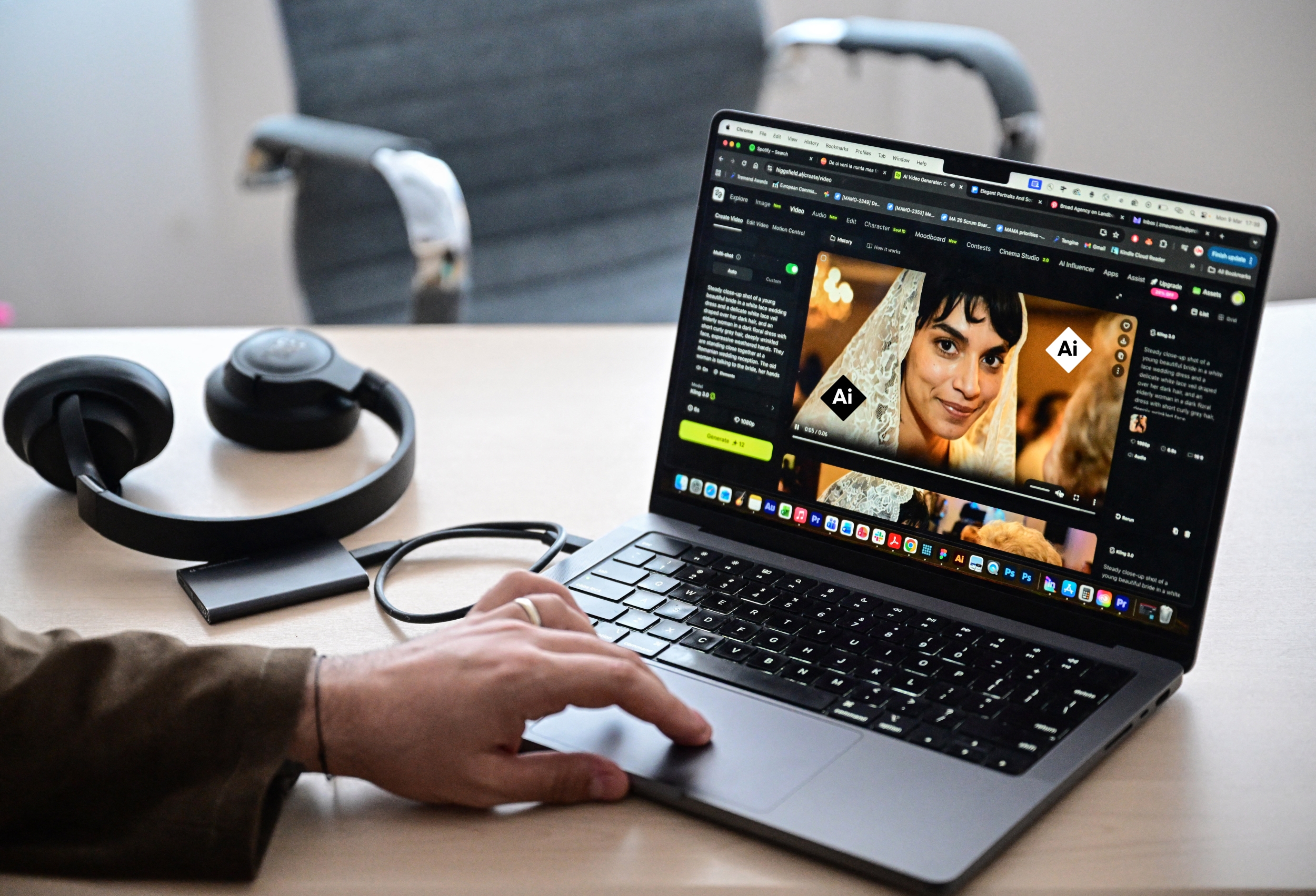
Chinese artificial intelligence company MiniMax has expanded its push into AI-assisted filmmaking with the launch of MiniMax Hub, an all-in-one creative platform powered by its Hailuo AI models. Introduced during the 2026 Shanghai International Film Festival, the platform brings together AI-generated images, video, audio, and editing tools within a single workspace, allowing users to move through much of the production process without switching between multiple applications. Users can describe a project using natural language or upload reference materials, while Hub’s AI agent helps coordinate different stages of production.
The launch comes as MiniMax continues to promote Hailuo as a platform for filmmakers and other creative professionals seeking to streamline content creation. At the same time, the company remains involved in an ongoing copyright lawsuit brought by Disney, Universal, and Warner Bros. Discovery, which allege that MiniMax used copyrighted works to train its AI system without authorization. MiniMax disputes those allegations, and the litigation remains ongoing.
Artificial or Real? MiniMax’s Hailuo Renews Questions About AI Videos and Mental Health
MiniMax has highlighted Hailuo and MiniMax Hub at film industry events, presenting the platform as a way to assist creators throughout the filmmaking process. According to the company, Hub integrates multiple AI capabilities into a single environment so users can generate visual assets, create videos from text prompts or reference images, produce audio, and edit projects without relying on several separate AI applications.
The platform is designed to generate a wide variety of creative content, including cinematic video clips, animated sequences, stylized visuals, and other multimedia assets for film and digital media production. MiniMax says the goal is to simplify production workflows by allowing an AI agent to coordinate multiple creative tasks within one interface.
The launch has also arrived amid broader debate surrounding generative AI. Supporters argue that integrated AI tools could help reduce production time and lower technical barriers for creators, while critics have raised concerns about copyright, artistic ownership, misinformation, and the growing realism of AI-generated media. Those discussions have intensified alongside legal challenges involving several AI companies, including MiniMax.
The Continued Studies on the Psychological Effects of Increasingly Realistic AI-Generated Media
As generative AI systems become capable of producing increasingly realistic images and videos, psychologists and digital media researchers are examining how synthetic content may influence mental well-being and public trust. While research is still emerging, existing evidence suggests that prolonged exposure to highly convincing AI-generated media may contribute to information overload and make it more difficult for people to distinguish authentic material from synthetic content.
Research has suggested that this growing uncertainty could contribute to cognitive overload and reduce confidence in digital information, particularly as AI-generated content becomes more common online. However, scientists have not established that AI-generated media alone directly causes these outcomes, and they continue to emphasize the need for long-term research to better understand its psychological effects.
Mental health experts have also raised concerns that highly convincing synthetic media, particularly when used to spread misinformation or create deceptive content, could contribute to anxiety, stress, or emotional manipulation in some situations. Current research suggests these are plausible concerns, but the evidence remains limited, and researchers continue to investigate how AI-generated media may affect emotional well-being over time. Many experts have also called for greater transparency and clear disclosure when AI-generated content is presented to the public.
Creativity In the Age of Generative AI
MiniMax Hub reflects the rapid evolution of generative AI from standalone image and video generators into integrated creative platforms capable of supporting larger portions of the production process. For filmmakers and other creative professionals, these tools may offer new ways to speed up production and experiment with visual storytelling.
At the same time, the technology has renewed discussion about copyright, authenticity, transparency, and public trust in digital media. As AI-generated content becomes increasingly difficult to distinguish from real footage, ongoing research and thoughtful safeguards will be important to understanding both the opportunities and the potential risks associated with this technology.
Many questions remain unanswered; however, MiniMax’s latest announcement shows how advances in generative AI are reshaping creative work while underscoring the importance of continued scientific research, responsible development, and informed public discussion as these tools become more widely adopted.