
A Summer That Is Already Breaking Records
West Nile virus is supposed to peak in August and September. In Maricopa County, Arizona — the county that contains Phoenix, Scottsdale, Mesa, Tempe, and Chandler — four people had already died before July 4th. That has not happened in a West Nile season since the early 2000s.
The Maricopa County Department of Public Health confirmed 29 human West Nile virus cases and four deaths as of July 1, 2026, accounting for the overwhelming majority of Arizona’s 32 statewide infections. The CDC confirmed 48 West Nile virus cases nationally as of June 30, 2026 — 38 of them classified as neuroinvasive disease, the severe form in which the virus reaches the brain or spinal cord. Since 2004, the average number of cases reported to the CDC by the end of June has been around 10. This year’s figure is nearly five times that historical baseline.
Why This Matters
West Nile virus is not a disease that makes headlines every summer. In most years, it circulates quietly in late summer, concentrated in a handful of warm-weather states, and fades before most readers take notice. The 2026 season is not following that pattern.
The last time West Nile started this early and this severely was 2004 — a year that ended with more than 2,500 cases and 100 deaths nationwide. With peak transmission months still ahead, infectious disease specialists are watching the trajectory carefully. There is no vaccine and no antiviral treatment for West Nile virus in humans. Prevention — mosquito avoidance and source reduction — is the only tool available.
For Maricopa County residents specifically, this is not an abstract national story. Four of their neighbors died before July 4th, and the mosquito activity that drives West Nile transmission does not slow down in July.
What We Know So Far
West Nile virus is spread through the bite of infected Culex mosquitoes, which bite most aggressively at dusk and dawn. The virus does not spread person-to-person. About 1 in 5 people infected develop a flu-like illness with fever, headache, and body aches. Most recover fully without treatment. But in about 1 in 150 cases, the virus causes severe neurological disease — encephalitis, meningitis, or acute flaccid paralysis — that can cause permanent neurological damage, long-term disability, or death.
Maricopa County’s 2025 full season total was 56 cases. The county has already reached 29 confirmed cases by July 1, 2026, compared to 24 cases and two deaths on the same date in 2025. The doubling of cases and quadrupling of deaths at the same early-season checkpoint is the statistic that most concerns public health officials.
Texas reported four cases — the second-highest state total — with additional cases confirmed in Arkansas, California, Colorado, Florida, Nebraska, Oklahoma, Pennsylvania, South Dakota, and Tennessee. Human cases have now been reported across 23 states.
Where the Risk Is Highest
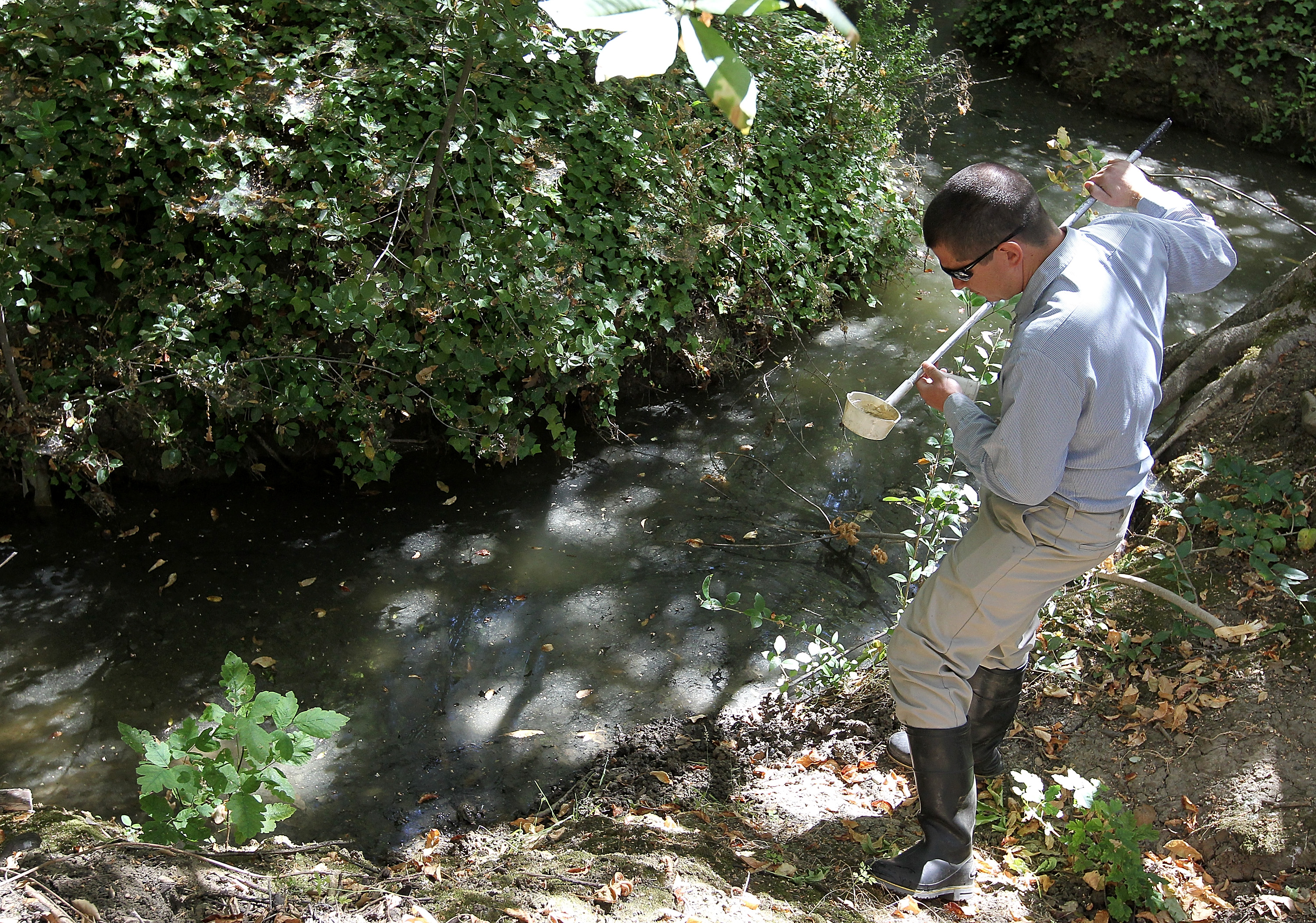
Maricopa County’s geography creates near-ideal conditions for Culex mosquito breeding. Phoenix’s sprawling urban and suburban landscape is crisscrossed with irrigation channels, canals, retention basins, and residential landscaping features — all of which can hold standing water. Unlike many desert cities, Phoenix’s extensive irrigation infrastructure keeps water present year-round, supporting mosquito populations that would otherwise be limited by the dry climate.
Within Maricopa County, communities near canals, golf courses, parks with irrigation, and suburban areas with ornamental water features or neglected yard containers face higher exposure risk. The county’s 120,000 acres of open space parks — with trails, nature centers, and campgrounds used heavily at dusk — create additional outdoor exposure opportunities during peak Culex biting hours.
Beyond Phoenix, states with historically warm, wet summer conditions face elevated risk as the season progresses into August and September. Texas, California, Florida, and states along the Mississippi River flyway have historically recorded significant West Nile activity during peak season years.
What Doctors and Experts Say
Melissa Kretschmer, epidemiology supervisor for the Vector-Borne and Zoonotic Diseases program at the Maricopa County Department of Public Health, said in a statement when the county’s first 2026 death was confirmed in June: “This case is a tragic reminder that West Nile virus can cause severe illness and even death. As mosquito activity increases across Maricopa County, we encourage residents to take prevention seriously by using insect repellent, eliminating standing water around their homes, and protecting themselves when outdoors.”
Maricopa County officials urged residents to wear insect repellent containing DEET, repair or replace broken window screens, and eliminate standing water from yards, drains, and containers where mosquitoes breed.
The CDC has confirmed the 2026 season is tracking at nearly five times the historical average case count at this point in the year, making it the worst early-season start in more than two decades by that measure.
What the Evidence Shows and What It Does Not
West Nile virus remains a surveillance-based public health threat — no vaccine exists, so the primary evidence tool is case counting and epidemiological mapping. The CDC updates West Nile case counts every one to two weeks throughout the season, which means the figures cited in this article reflect the most recently available confirmed data and will continue to rise.
The neuroinvasive disease rate — 38 of 48 national cases, or approximately 79% of confirmed infections, classified as neuroinvasive by June 30 — is strikingly high compared to typical seasons, in which neuroinvasive disease represents roughly 20–30% of confirmed cases. This may reflect ascertainment bias — severe cases are more likely to be tested and confirmed — but it also underscores that the cases being detected are predominantly serious ones.
Who Faces the Greatest Risk?
West Nile virus is not dangerous to most people. But the risk of severe neuroinvasive disease is significantly higher in specific populations:
- Adults over 60, particularly those over 70, who face the highest risk of encephalitis, death, or permanent neurological damage
- People with weakened immune systems, including those with cancer, HIV, or organ transplants, or those taking immunosuppressive medications
- People with diabetes, hypertension, or kidney disease, which are independently associated with worse West Nile outcomes
- Outdoor workers, trail users, and anyone spending significant time near irrigation canals or standing water during dusk and dawn hours
- Residents of communities near water management infrastructure in Maricopa County and other warm-weather metro areas
Healthy children and adults under 50 typically experience either no symptoms or a self-limited flu-like illness and recover without lasting effects.
Symptoms and Warning Signs to Watch For
Most West Nile infections produce no symptoms. When symptoms occur, they typically begin three to 14 days after a mosquito bite. Mild illness, sometimes called West Nile fever, may include:
- Fever
- Headache
- Body aches
- Nausea and vomiting
- Fatigue
- Occasional skin rash
Severe neuroinvasive West Nile disease is a medical emergency. Seek immediate care if you or someone you know develops:
- High fever combined with severe headache
- Stiff neck
- Confusion or disorientation
- Sudden muscle weakness
- Seizures
- Loss of consciousness
There is no specific antiviral treatment for West Nile virus. Severe cases require hospitalization for supportive care.
What You Can Do Now
- Apply EPA-registered insect repellent — containing DEET, picaridin, IR3535, or oil of lemon eucalyptus — every time you go outdoors during dawn or dusk hours.
- Eliminate standing water from your property: empty flowerpot saucers, bird baths, buckets, clogged gutters, and any container that holds water more than a few days.
- Repair broken window screens and make sure doors seal properly to keep mosquitoes out of living spaces.
- Wear long-sleeved shirts and long pants when outdoors near dusk or dawn, particularly near canals, parks, or irrigation areas.
- If you are over 60 or immunocompromised and live in Maricopa County or another high-activity area, consider avoiding outdoor activities at peak Culex biting times — dusk through the first few hours of night — until seasonal activity declines.
- Monitor the Maricopa County Department of Public Health West Nile tracker for updated case and vector control activity.
Cost and Access: What Patients Should Know
There is no cost to report a suspected mosquito-borne illness to your county health department. If you develop symptoms consistent with severe West Nile disease, call 911 or go to an emergency room immediately. Diagnosis requires a blood or cerebrospinal fluid test ordered by a physician.
Maricopa County operates mosquito control programs, including aerial and ground-based spraying in high-activity areas. Residents can report standing water or dead birds — a sign of active West Nile virus circulation — to the Maricopa County Vector Control program at no cost.
What Happens Next
The CDC expects case counts to continue rising through August and September, historically the peak transmission months for West Nile virus in the United States. State and local vector control agencies in high-activity areas — particularly Maricopa County — are expected to expand aerial or ground-based mosquito control operations in the coming weeks. The CDC updates West Nile case data every one to two weeks; MedicalDaily will report updated figures as they become available.
The Bottom Line
Phoenix is the current national epicenter of a West Nile season that has already become the worst in more than 20 years — with four confirmed deaths before peak transmission has even arrived. For older adults and immunocompromised people in Maricopa County and other affected states, the risk this summer is real, and the window for preventive action is now. Use repellent. Eliminate standing water. Stay aware of outdoor timing. These steps remain the only available tools against a disease with no vaccine and no treatment.